Highline Vision Center & Highline Center For Vision Performance
720-870-2828

Amblyopia

What is Amblyopia?

Amblyopia, often called “lazy eye,” is a treatable disorder of vision development that begins during infancy and early childhood. With amblyopia, an otherwise healthy eye is unable to achieve normal visual acuity (20/20) even with glasses or contact lenses. In addition to poor visual acuity, people with amblyopia are more likely to have difficulties with eye-hand coordination, clumsiness, reading, depth
perception and understanding what is seen.

In most cases, only one eye is affected but it may occur in both eyes. According to the National Institute of Health, amblyopia is the most common cause of visual impairment among children in the United States and is estimated to affect 3.5% of the US Population, despite being preventable with early diagnosis. Clues that your child may have amblyopia include crying or fussing when an eye is covered or if the child constantly turns their head to the right or left.
What Causes Amblyopia?

There are three types of amblyopia, based on the underlying cause:

Strabismic amblyopia

This is the most common cause of amblyopia. Strabismus is also known as an eye turn. To avoid double vision caused by poorly aligned eyes, the brain ignores the visual input from the misaligned eye and vision fails to develop properly. If you notice your baby or young child has crossed eyes or some other apparent eye misalignment, schedule a comprehensive eye exam immediately.

Refractive amblyopia

Amblyopia may be caused by unequal refractive errors in the two eyes, despite perfect eye alignment. For example, one eye may have a signifi cant prescription while the other does not. The brain relies on the eye that has better vision and “tunes out” the blurred vision from the other eye. It can also occur in both eyes when they each have a high uncorrected prescription.

Deprivation amblyopia

This is caused by something that obstructs light from entering a baby’s eye, such as a congenital cataract or droopy eyelid (ptosis). Prompt treatment of the obstruction is necessary to allow normal visual development to occur.

Amblyopia Treatment

In some cases of refractive amblyopia, normal vision may be achieved simply by wearing prescribed glasses or contact lenses. Usually additional treatment is required to stimulate the brain to use the
amblyopic eye and enable proper visual development.

Vision Therapy Programs for Amblyopia

Vision therapy is a structured program of activities prescribed to improve visual abilities and acuity. It
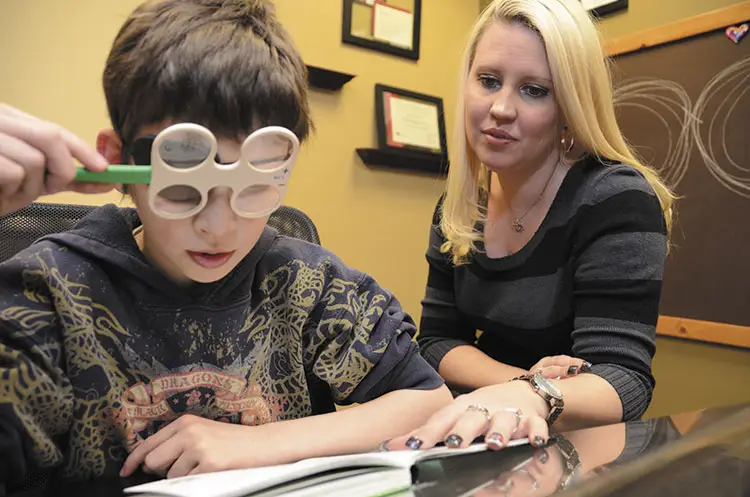
trains the eyes and brain to work together more effectively and reinforces the connection to the amblyopic eye. During certain activities, the better seeing eye will need to be blurred in order to encourage the brain to pay more attention to the amblyopic eye. This may be done with special fogging
patches.

Research on Binocular Vision Therapy

The latest research demonstrates that binocular vision therapy is the most effective long-term solution for amblyopia. Full time patching is rarely the best option for treatment of mild to moderate amblyopia. If patching is indicated, most cases of amblyopia will show improvement with just 2 hours of fogged patching per day in combination with specific visually stimulating activities. For additional resources, please visit www.amblyopiaproject.com.

Children Will Not “Outgrow”
Amblyopia

Amblyopia will not go away if left untreated and can lead to permanent visual problems. An injury or disease in the better seeing eye in the future will leave the person depending on the poor vision in their amblyopic eye, so it is best to treat amblyopia as early as possible.

Modern amblyopia treatments may improve vision in older children and adults, but early detection and treatment is the best chance for normal visual development and optimal visual outcomes.

In addition, best corrected visual acuity of worse than 20/40 in the better eye may require a person to have a restricted driver’s license in Colorado. This could mean a number of restrictions, including no driving at night or during rush hour, no freeway driving, a restricted geographical area the person must stay within and requiring the addition of extra mirrors to the vehicle.

Protect your vision for life! Call Highline Vision Center to schedule a comprehensive eye exam today.

Graduation Prep and Beyond!

College demands are high and failure is expensive

The change in scholastic demands from high school to college is a dramatic one. Your student may have learned great grades in high school with only moderate effort. In college or tech school, he/she will need to plan on greater amounts of reading and spending longer hours studying than ever before.

Many students have mild visual performance problems that cause them signifi cant effort meeting this increased demand. It can make the student appear to be academically underprepared when in reality it is a physical problem causing the difficulty.

  • One in every four students will drop out of college before completing their second year.
  • Those who participate in student loan programs must repay loans in full regardless of whether or not they complete college.
  • Students who fail out of college or their vocational technical studies face a future with fewer choices and career opportunities.

College level reading demands are exponentially greater than the demands in high school.

Interestingly, blurry vision is not one of the vision problems listed below as one contributing to slow reading.

  1. Word-by-word reading – not seeing groups of words together.
  2. Poor eye movement control – inaccuracy in tracking across a page, losing place, etc.
  3. Repetition – unnecessary or unconscious re-reading of material.
  4. Comprehension or test anxiety – causing a student to intentionally read more slowly.
  5. Slow reading habits – in which a student can’t read faster because they always read slowly.
  6. Poor determination of what is important and what is not.
  7. Excessive memorization rather than remembering selectively.

75-90% of learning in a classroom occurs through the visual system. If this system is not working properly, it can critically hinder students’ ability to perform up to their potential.

We can help!

Preparing for college by studying for and taking the two to three hour college entrance examinations (ACT or SAT) is a visually demanding task. While college entrance exams may no longer be required, many colleges still encourage students to submit scores. We can help your student be more successful in this endeavor and offer FREE Vision Performance Screenings for college bound students.

Often, slow reading is related to performance based visual problems. These difficulties are not typically diagnosed in routine eye examinations where eye health problems and refractive errors (need for glasses) are checked.

Save Expense & Heartache

Even high achieving students can have visual skills deficiencies. These students have devoted extra time and effort on homework while in high school in order to succeed. Struggling students may be working even harder to maintain average grades, however, college and vo-tech training will demand more work in less time. Our visual training programs can make learning more efficient and give more stamina to the task of learning to ensure academic success with less effort!

Highline Center for Vision Performance offers a complimentary performance based screening which includes a specific test for faulty eye movements. When problems are discovered, we offer a customized training program that addresses specific visual skills deficiencies. We have time to make this happen before your student begins testing or heads off for college. Call us now to schedule your Vision Performance Screening: 720-870-2828

Lenses for Learning

Stress Relieving Prescriptions for Increased Performance

Without even thinking about it, our eyes change focus very quickly to allow us to see clearly wherever we look. This process is called accommodation. All of the things we see are at different distances, which forces our visual system to work and change to make them clear. Accommodative dysfunction occurs when there is an issue with efficiency, accuracy, ease or speed of our focusing system.

Accommodative Dysfunction in Children

Normally, children have an ample amount of focusing capacity. However, some children do not have the ability to maintain focus for a long time while reading or they may be unable to quickly change the focus of their eyes from near to distance, especially in the classroom. With the increasing near demands of today, our visual system can undergo tremendous stress. Students now read three times the number of books their parents did and many schools are assigning each student a tablet.

Accommodative Dysfunction in Adults

Adults can also have accommodative dysfunction. However, this is not to be confused with a very common condition called presbyopia. Presbyopia is the term for age-related focusing problems. In adults, this is due to loss of the natural elasticity of the lens inside the eyes. This begins in the early 40s and happens to everyone. As we age and the lens becomes less flexible, we begin to experience blurred vision up close.

Common Symptoms of Accommodative Dysfunction:

These are some of the symptoms indicating stress in your visual system. Many people who report these symptoms have 20/20 vision in the distance but can’t handle the visual stress associated with near asks. It is very common for students to experience some of these difficulties.

  1. Blurred vision
  2. Reduced efficiency and productivity
  3. Difficulty maintaining clear vision — words coming in and out of focus
  4. Needing to blink to make things clear
  5. Difficulty changing focus from one distance to another or blurred vision at distance after you look up from sustained near work
  6. Visual discomfort and eye strain
  7. Pain behind or around the eyes
  8. Headaches, nausea or stomachaches
  9. Avoidance of reading and writing
  10. Doing as little near work as possible
  11. Difficulty with concentration and attention
  12. Fatigue or even falling asleep when reading
  13. Homework takes longer to complete than it should
  14. Words doubling
  15. Moving print

Available Treatments

In many cases, glasses for near use only or bifocals may be needed. These anti-fatigue lenses help decrease stress to the visual system and increase comfort for the duration of various near tasks (reading or studying, computer work, tablet and phone use, etc.) by decreasing the amount of effort needed to focus.

Ask us about anti-fatigue lenses!

Ask our optometrists about anti-fatigue lenses to ensure optimal performance throughout the entire day. The lenses provide significant relief from stress related symptoms and the eyes become more relaxed resulting in improvements in eye comfort, visual efficiency, and even better reading and retention skills. Improved focusing ability can be developed through a program of Vision Therapy.

For more information, schedule a complimentary visual performance screening! If you have any questions regarding treatments for improved visual performance, contact your Highline Optometrist for advice.

Computer Comfort: Managing Digital Eye Strain

Digital Eye Strain

Digital eye strain, also known as computer vision syndrome (CVS), is a group of problems that result from prolonged use of digital devices including desktops, laptops, tablets, e-readers and cellphones.

In some cases, those who do not wear glasses for other daily activities may benefit from glasses prescribed specifically for computer use. Many already wearing glasses may find that their current prescription does not provide optimal vision for viewing a computer or other digital devices.

Most common symptoms associated with CVS:

  • eyestrain
  • headaches
  • blurred vision
  • dry eyes
  • fatigue
  • neck and shoulder pain

These symptoms may be caused by:

  • poor lighting
  • glare on a digital screen
  • improper viewing distances
  • poor seating posture
  • uncorrected vision problems
  • reduced blink rate
  • a combination of these factors

Tips for Healthy, Comfortable Vision at the Computer:

Even if you don’t need glasses for driving, reading or other activities, you still may have a minor vision problem that is aggravated by computer use. You may need a mild lens prescription to reduce vision stress on the job, reduce fatigue and keep you comfortable for the entire work day.

If you wear glasses for distance
vision, reading or both, they may not provide the most efficient vision for viewing your computer screen, which is about 20 to 30 inches from your eyes. Tell your optometrist about your job tasks and measure your on-the-job sight distances. You may benefit from one of the new lens designs made specifically for computer work.

Blue light from LED and fluorescent lighting as well as monitors, tablets and mobile devices can negatively affect your vision over the long term. Special lens enhancements can reduce the harmful impact of blue light. Minimize glare on your computer screen by using a glare reduction filter, repositioning your screen, or using drapes, shades or blinds. Also, keep your screen clean as dirt and fingerprints increase glare and reduce clarity.

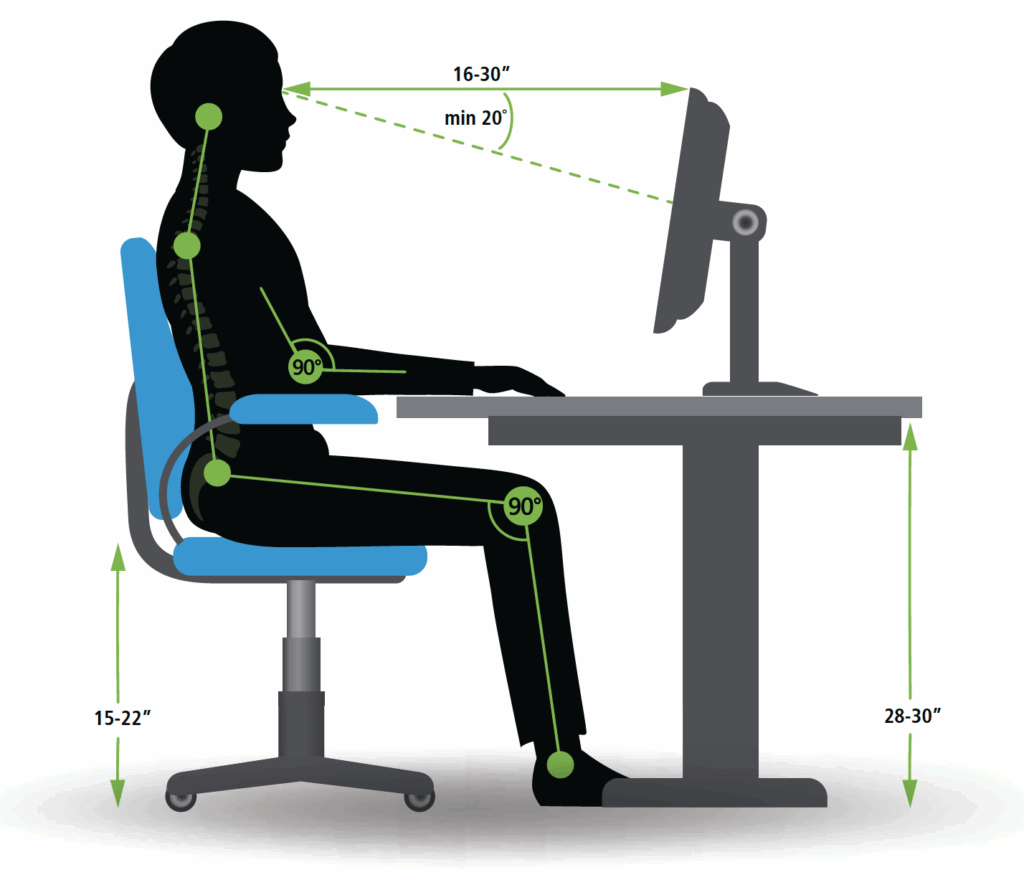
When using computers, keep your feet planted on the floor and the computer screen slightly below eye level. Make sure you maintain a comfortable, upright posture. See the diagram above for what an optimal work station looks like.

Place reference material at the same distance from your eyes as your computer screen and as close to the screen as possible. That way your eyes won’t have to change focus when looking from one to the other.

Studies show that looking at a computer screen causes the average number of blinking per minute to decrease by 60% or more and also increases the amount of incomplete blinks you make. This leaves the front surface of the eye open to dryness and irritation. Talk to your optometrist to determine the treatment that would work best for you.

The closer the device is to your eyes, the harder your visual system has to focus to make things clear. Sustaining this increased amount of focusing contributes to headaches and eye strain with prolonged use.

Make phone calls or photocopies. Consult with co-workers. After working on your computer for an extended period of time, do anything in which your eyes don’t have to focus on something up close. A good rule of thumb is the 20/20/20 Rule: Every 20 minutes, look at something 20 feet away for at least 20 seconds. This gives your eyes a much needed break and a chance to relax.

The best thing for growth and development is movement and play!

Which solutions are best for you?

Glasses prescribed to meet the unique visual demands of computer viewing may be needed to ensure optimal comfort and function. Special lens designs, lens powers, lens tints or surface enhancements may help to maximize visual abilities and comfort.

Some computer users experience problems with eye focusing or eye coordination that can’t be adequately corrected with eyeglasses or contact lenses. A program of vision therapy may be needed to treat these specific problems. Vision therapy is a structured program of activities prescribed to improve visual abilities. It trains the eyes and brain to work together more effectively. Vision Therapy helps remediate deficiencies in eye movements, eye focusing and eye teaming and reinforces the eye-brain connection. Ask your optometrist for more information or schedule a complimentary visual performance screening through Highline Center for Vision Performance: 720-870-2828

Light Therapy: Vision Performance Enhancement for School, Work & Sports

Why Light Therapy?

Light is essential to life. If you’ve ever felt a little down after a few cloudy days, you have scratched the surface of understanding how dramatically light impacts our health and well-being much more than just being able to see. Light Therapy helps restore balance to the brain and body.

Here’s how: The brain controls everything in the body and the eyes transmit more than mere images to the brain. When we use prescribed light to create a balance between these two systems, the eyes are then able to take in more information enabling the brain to process visual information more accurately.

“Light entering the eyes not only allows us to see but also joins together other important brain centers such as the hypothalamus and pineal gland to allow normal visual processing to occur.”
– College of Syntonic Optometry

Perceptual Field

When deciding if Light Therapy may help a patient, our Optometrists evaluate peripheral vision sensitivity. We test the perceptual visual field for size, perception of motion and response to color.

Vision exam results enable us to choose the appropriate colors that will open the perceptual field and alleviate problematic visual conditions.

If the patient’s visual fi eld is functionally constricted, Light Therapy can be an effective, at-home treatment that can dramatically open the visual field. When the visual field is “open” fully, the brain allows the eyes to see and process more information at maximum efficiency.

Light Therapy Options

  • In-Office Vision Therapy + In-Office Light Therapy
  • In-Office Vision Therapy + Home Light Therapy Home Light Therapy
  • In-Office Light Therapy

All in-home therapy options require that the first two sessions are supervised in our office. Then, Light Therapy equipment is sent home with the patient and requires only 20 minutes per day for optimum results.

Light Therapy may be prescribed alone or in support of our comprehensive Vision Therapy program.

The body’s autonomic nervous system is comprised of the sympathetic and parasympathetic branches. For example, the sympathetic system controls the dilation of pupils while the parasympathetic system contracts them. Light Therapy can bring these two complementary systems into balance to maximize brain and vision function.

Light Therapy is Effective in Treating

Visual Conditions:

  • Blurred or unstable vision
  • Eyestrain or fatigue
  • Strabismus (eye turn)
  • Amblyopia (lazy eye)
  • Double vision
  • Poor depth perception
  • Reduced peripheral vision
  • Light sensitivity or glare

Visually Related Conditions:

  • Headaches
  • Short attention span
  • Reduced concentration
  • Poor memory
  • Reading problems
  • Impaired driving ability
  • Poor coordination or balance

School, Work or Sports Performance:

  • Reduced academic achievement
  • Uneven work performance
  • Inconsistent athletic accomplishment

History of Stress or Trauma

  • Brain injury
  • Mental or emotional trauma
  • Chronic illness

Vision & Learning

The critical link between vision & learning.

How the brain and eyes work together – vision has a great impact on the learning process for children. Imagine sitting in a classroom taking notes and fighting a focusing problem that won’t allow you to change your focus from your desk to the black board and back again quickly enough to keep up with the teacher.

Imagine reading a paragraph and having the letters or words appear to move and jump as you are trying to comprehend what you are reading.

20/20 Vision Isn’t Enough

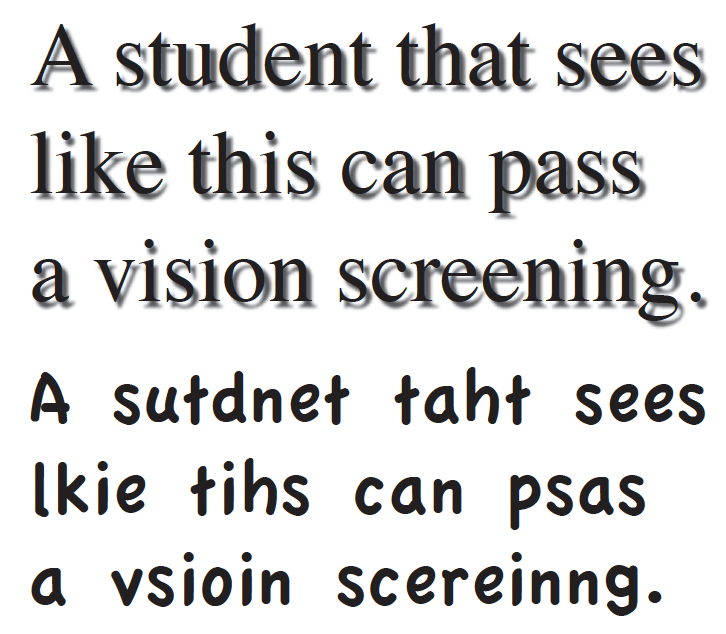
The student having the vision problem often has 20/20 eyesight either with or without glasses. Most school screenings check for clearness at distance only and not for visual performance skills like tracking, focusing, eye teaming or visual perceptual skills. Many teachers and parents do not realize that their students’ struggles in the classroom are in no way linked to intelligence or how hard they are trying. They frequently are not able to visually process the information put before them.

Is a vision problem affecting your student’s performance?

You may be surprised that the following signs/symptoms may indicate a vision problem that affects learning and school performance:

  • Avoids reading or doesn’t read for fun
  • Trouble staying on task while reading
  • Excessive fatigue at the end of the day
  • Concerns with letter reversals
  • Poor handwriting
  • Loss of place while reading
  • ADD and/or ADHD diagnosis
  • Dyslexia diagnosis
  • Average performer with higher potential
  • Homework is a battle
  • Clumsy, knocks things over
  • Reduced performance following a concussion
  • Poor sports performance

Complimentary Vision Screening

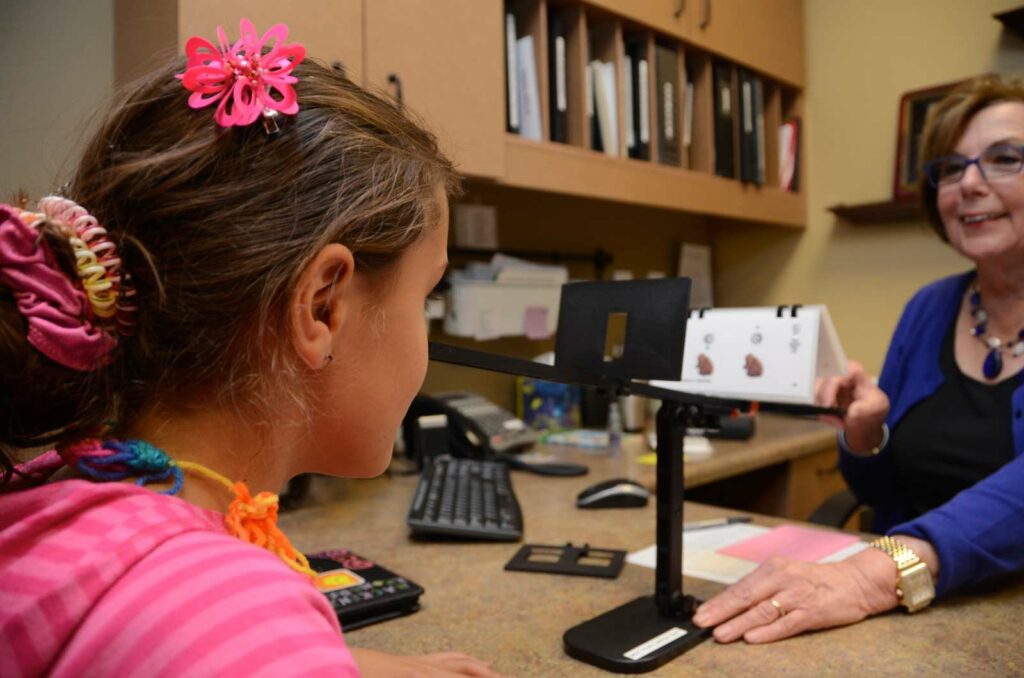
Highline Center for Vision Performance offers a complimentary screening to check for vision disorders that interfere with reading. The screening includes a computerized assessment that evaluates visual tracking and reading comprehension. This screening is an excellent opportunity for a parent to observe how a child’s vision may be interfering with reading performance.

Not knowing the underlying cause of learning difficulties can have a detrimental effect on self-esteem and behavior. Since 1983 we have successfully treated vision problems related to these symptoms. With proper diagnosis and treatment, reading levels improve significantly, comprehension increases, and even sports performance can improve. Every day, we see children overcoming obstacles and achieving goals. The ability to read and comprehend not only builds confidence, it opens doors and allows the student to reach their full potential.

Call us now to schedule your complimentary Vision Performance Screening. 720-870-2828

Vision samples adapted from ©Carolanne Roach, OD.

Seeing with a vision disorder
unrelated to 20/20 eyesight!

Eye charts used for vision screenings at the pediatrician or at school check for clearness at distance but do not check for learning related visual performance skills.

Brain Injury Vision & Rehabilitation

What is Acquired Brain Injury?

Acquired brain injury is any insult to the brain. It can result from trauma, an illness, an operation, or a vascular accident. A brain injury may result in impairment of cognitive abilities, sensory processing and/or physical function. Types of acquired brain injury include:

  • Traumatic brain injury
  • Open or closed head injury
  • Concussion
  • Whiplash
  • Stroke
  • Aneurysm
  • Brain tumor
  • Anoxia (lack of oxygen)
  • Chemical trauma (chemotherapy, radiation, alcohol or drug abuse)
  • Infection (encephalitis or meningitis)

Optometry and Rehabilitation
Your rehabilitation process should include an evaluation of your visual system and treatment of any detected visual problems. Vision problems
related to brain injuries can be radically reduced or successfully eliminated. This can help the rest of your rehabilitation go more smoothly to allow you to move forward with your life.

Behavioral optometrists and therapists specifically trained in rehabilitation can help you to improve the flow and processing of information between your eyes and your brain. Improvement is gained through therapy, lenses, prisms, and occlusion (patching or partial patching).

ABI and Hidden Visual Problems

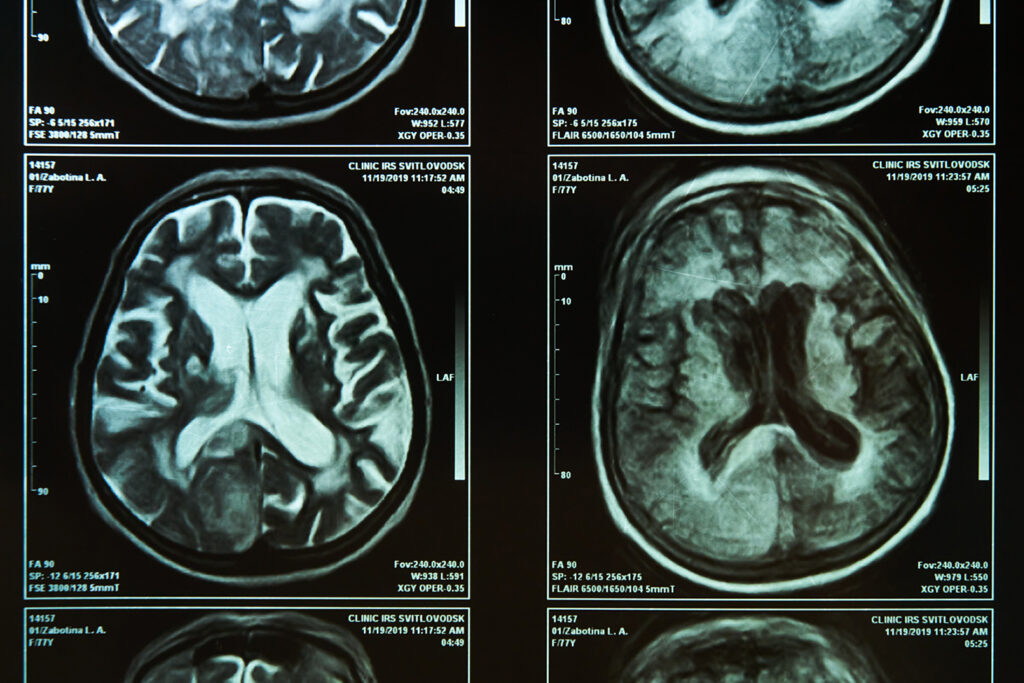
Vision is your body’s most important source of sensory information. If you’ve experienced a brain injury, the vital connection between your brain and your vision may be interrupted or damaged. While that alone would be cause for treatment, consider the fact that all of your other rehabilitation activities rely on accurate vision for success.

What is Neuro-Optometric Rehabilitation?

Neuro-Optometric Rehabilitation is based upon
the core principle that vision, when functioning
well enhances and stabilizes. When it is not, it
interferes. After an injury, vision can be reintegrated and relearned leading to rehabilitation. Highline’s Optometrists and Vision Therapists have extensive experience treating the visual consequences of brain injury.

Think about it!

Everything you do in rehabilitation after an acquired brain injury requires visual function. If your visual processing is damaged, your
rehabilitation process can be more difficult because your brain is working with distorted information.

Hidden Visual Problems

An acquired brain Injury may disrupt eye teaming skills, tracking, and visual focus. Often, visual problems resulting from a brain injury are overlooked during initial treatment of the injury. Symptoms indicating a vision problem are:

  • Intolerance of visually crowded spaces
  • Blurred vision
  • Sensitivity to light
  • Reading difficulties: words appear to move
  • Reduced comprehension
  • Attention or concentration difficulty
  • Memory difficulty
  • Double vision
  • Aching eyes / eye strain
  • Headaches with visual tasks
  • Loss of visual field
  • Navigation difficulty
  • Dizziness
  • Balance and coordination issues
  • Changes in posture

Roadblock to Rehabilitation

When visual problems go undetected and untreated after a brain injury, patients and their families often experience terrible frustration because other rehabilitation methods are proving less effective than hoped. If the visual system is inefficient, every task can seem difficult.

Visual skills affected by acquired brain injury include:

  • Tracking – the ability of the eyes to move smoothly across a printed page or while following a moving object
  • Fixation – the ability to maintain steady gaze on an object
  • Focus change – looking quickly far to near and back without blur
  • Depth perception – judging relative distances of objects
  • Peripheral vision – monitoring and interpreting what is happening in the surrounding field of vision
  • Binocularity – using both eyes together as a team
  • Maintaining attention – keeping focused on a particular activity while interference, such as noise, is present
  • Visualization – accurately picturing images in the “mind’s eye”
  • Near vision acuity – clearly seeing, inspecting, and identifying objects when viewed within arm’s length
  • Distance acuity – clearly seeing, inspecting, and identifying objects when viewed at a distance
  • Visual perception – understanding what is see

Dry Eye Disease Treatments

Dry Eye Disease Treatments

Following your eye exam, your doctor will discuss treatments and care for your dry eye disease and symptoms. Below are a list of recommendations you may have been provided to help manage and treat dry eye disease. Your individual plan may vary, so please follow the specific guidance of your doctor.

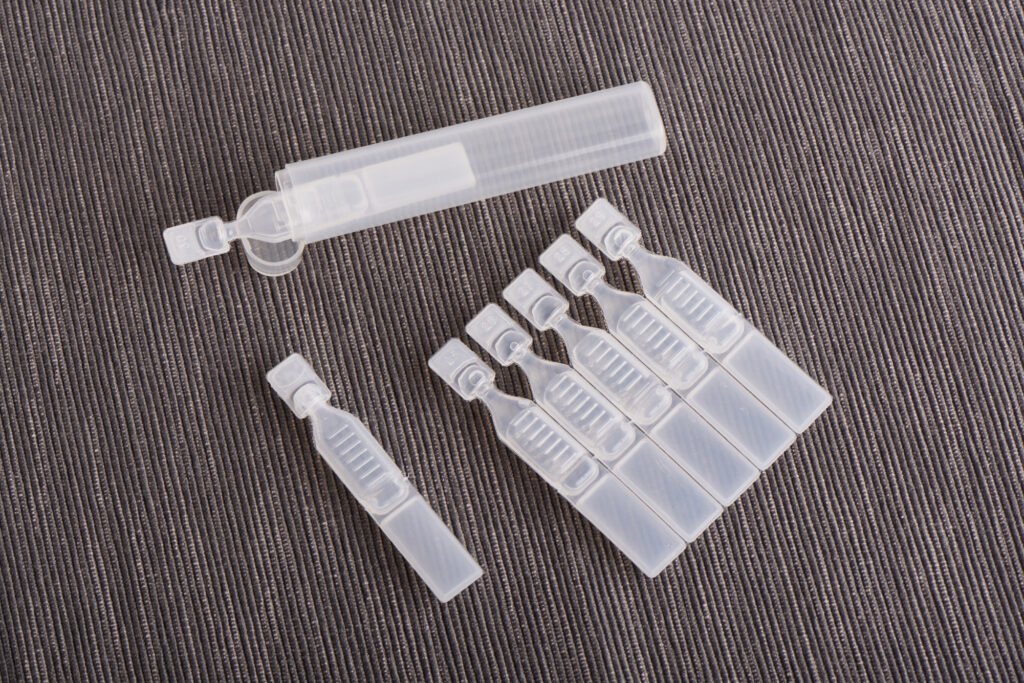
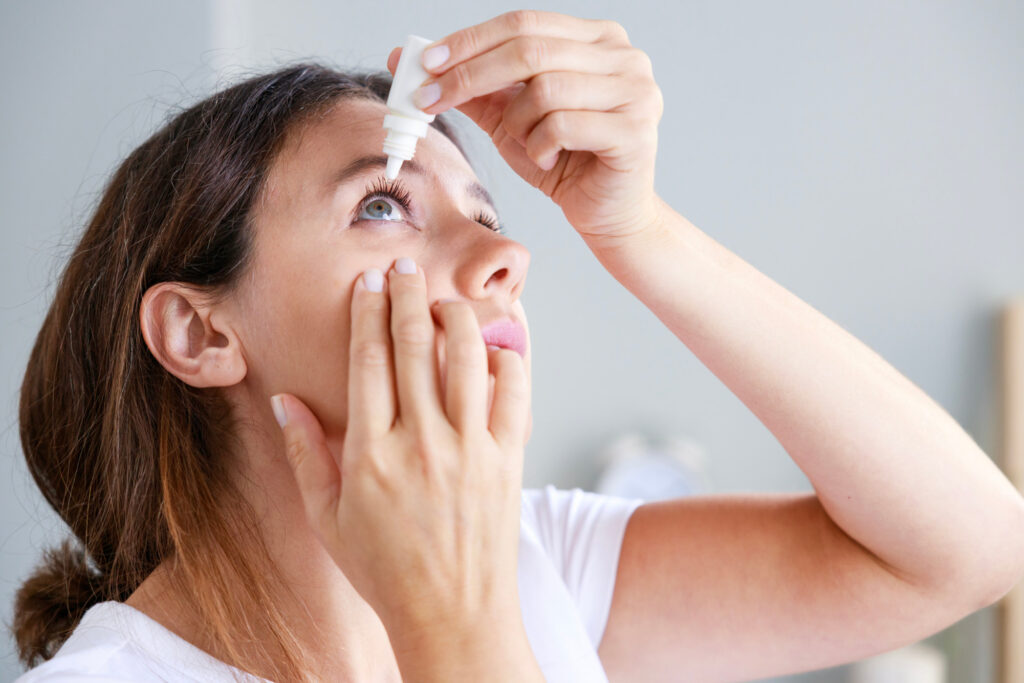
Artificial Tears

Your doctor may have recommended a specific brand or product based on your eye health and needs. These could include:

  • Ointment to use before bed.
  • Preservative-free drops that can be used as often as needed.
  • Preservative-free drops that can be used with contact lenses.
  • Gel drops (thicker).

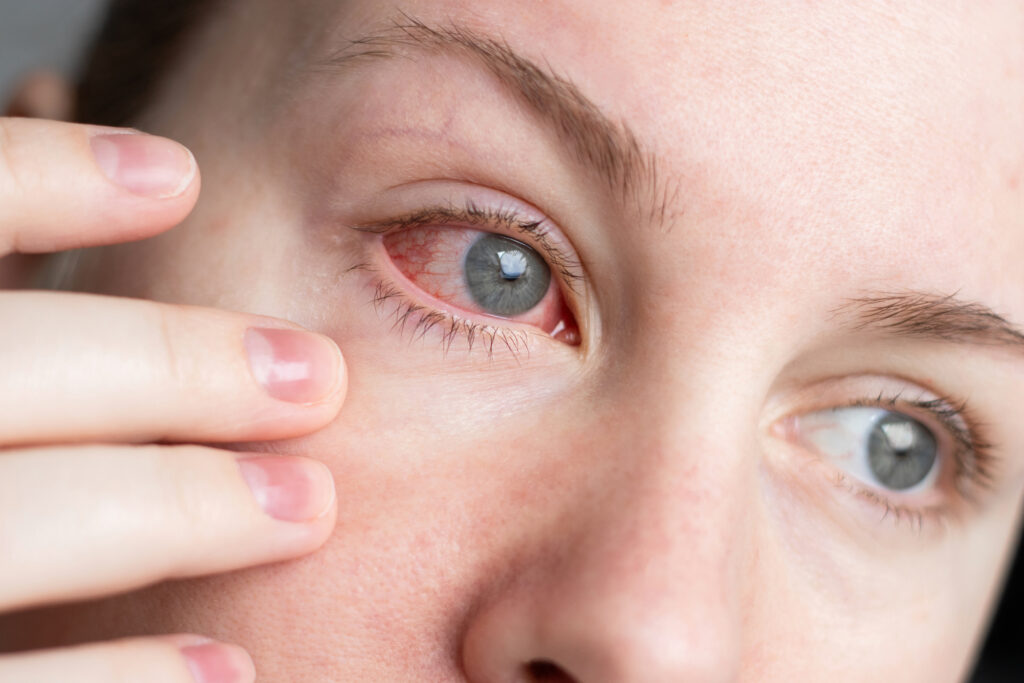
Redness Relieving Eye Drops

A note about treating red eyes associated with dry eye
disease: Common “get the red out” eye drops, while
offering temporary relief from redness, can actually worsen
the problem due to a phenomenon called rebound redness.
There is a non-prescription eye drop available that does not
have these known side-effects.

  • Lumify: Over-the-counter eye drops to relieve redness with a lower risk of certain side-effects when used as directed. 

Omega-3 Supplements

Note: Not all Omega-3 supplements are created equal.

PRN De 3 Omega®: Doctor prescribed high potency omega 3 fatty acid supplement that has been proven to maintain the lipid (oily) layer of your tears. This improves the overall health of the tears and decreases the rate at which they evaporate.

Warm Compresses, Lid Massage & Hygiene

If your doctor prescribes warm compresses, follow the steps below. The heat helps the oils in your eyelid Meibomian glands liquify so they can flow properly to hold the moisture on your eyes. After the warm compress, massage the lids in order to mobilize the oily secretions from the glands. Place your finger gently across your lid and use a rolling motion toward the lash margin. Repeat this for 30-60 seconds on each lid. Follow with one of the following eyelid hygiene products prescribed by your doctor.

  • Eyelid cleansing wipes including Biotrue® Micellar Wipes or Cliradex® Wipes
  • OCuSOFT® Lid Scrub Original: Use one pump on a clean washcloth and wash along lid margins. Rinse thoroughly.
  • OCuSOFT® Lid Scrub PLUS: Use one pump on a clean washcloth and wash along lid margins. Leave on overnight.
  • Tea Tree Foam: Use one pump on a clean washcloth and wash along lid margins. Rinse thoroughly.
  • Hypochlorous Solution: Spray on closed eyelids, blink 10 times, let dry and leave on. Can be used once or twice daily.

Punctal Occlusion

Punctal occlusion is a painless in-office procedure that helps to increase the volume of tears on your eyes by blocking the tear drainage areas, usually on the lower lids. This reversible procedure often offers patients more immediate relief as we treat dry eye disease.

Other Treatments for Severe Dry Eye

  • Tears (also known as autologous serum eye drops). These are eye drops made from a patient’s own blood serum, which contains components similar to natural tears, promoting healing and lubrication.
  • Amniotic membranes  These can be applied to the eye.  They utilize the natural healing properties of amniotic membrane to reduce inflammation, promote tissue regeneration, and protect the eye surface. 
  • Bandage Contact Lenses (BCL)  A contact lens is used therapeutically to act as a protective barrier, creating a moist environment and shielding the cornea from friction with eyelids and other irritants.  This allows the eye to heal and reduces pain. 

Blephex™

Blephex™ is an FDA approved in-office procedure that treats blepharitis by eliminating the biofilm and bacterial toxins that cause inflammatory lid disease and dry eye. This improves the health and comfort of the eyelid almost immediately improving symptoms. Blepharitis is a chronic inflammatory disease caused by an overgrowth of natural bacteria along the base of the eyelashes. While Blephex™ is not currently covered by insurance it is an affordable procedure. Our doctors often have the Blephex™
treatment performed along with Tear Care for maximum effectiveness. It may need to be repeated, as the biofilm and toxins may build up again over time.

TearCare®

The TearCare® System treats evaporative dry eye disease due to meibomian gland dysfunction (MGD) in adult patients. It utilizes the application of controlled, localized heat therapy to soften the
hardened oils within the meibomian glands. This allows manual expression of the glands, which clears blockages so healthy oil can be produced again.

Prescription Medication Relief

  • Mild steroid eye drops: Helps reduce inflammation.
  • Oral Antibiotics with anti-inflammatory properties.
  • Cyclosporine drops: An immunomodulator that decreases inflammation and increases the natural ability to produce tears.  (Restasis®, Cequa®, Verkazia®, Vevye®)
  • Xiidra® eye drops: Prescribed to treat the signs and symptoms of dry eye disease by reducing inflammation.
  • Miebo® eye drops: Prescribed to treat the signs and symptoms of dry eye disease.  It is the first and only prescription eye drop that directly targets tear evaporation.
  • Tyrvaya® : a prescription nasal spray indicated for the treatment of the signs and symptoms of dry eye disease. It is the first and only nasal spray approved for dry eyes that works by stimulating the body’s own natural tear production. 

Dry Eye Disease

Dry Eye Disease

also known as Ocular Surface Disease

Dry Eye Disease (DED), also known as Ocular Surface Disease (OSD) is a very complex condition that is chronic and progressive. More than 50% of those having the condition do not report symptoms, especially in the early stages. If dry eye disease is identified early, when mild, it is easier to treat, helping to slow the progression.

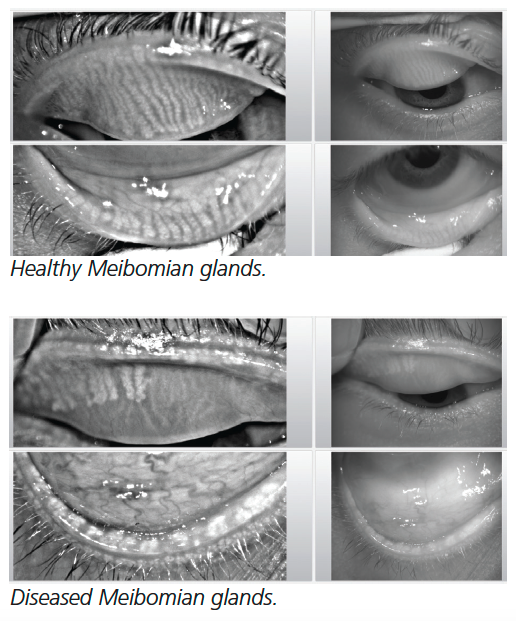
The composition of the human tear layer is very complex with more than 500 unique proteins. For simplicity’s sake, let’s discuss the three main layers of the tears. There is the mucin layer which is the thinnest and helps to hold the tears on the cornea. It is important for the viscosity of the tears. The middle layer is the aqueous layer, which is the thickest layer, containing important nutrients for keeping your cornea healthy. The outer layer is the lipid or oily layer of the tears. The lipid layer is responsible for protecting the tear layer from evaporation, which is crucial in our high altitude and arid environment. This layer is produced by the meibomian glands, the openings of which line the lid margin just inside the lashes on the upper and lower lids.

There are two primary types of dry eye disease: evaporative and aqueous deficient. Evaporative DED is caused by Meibomian gland dysfunction and is present in over 80% of cases. Cases of purely aqueous deficient DED are fairly rare, occurring about 10% of the time. Many people have a combination of the two. Our testing protocol is designed to get to the base cause of the condition so that we can treat your DED more efficiently and effectively.

Causes of dry eye:

  • Digital device use: screen time has increased exponentially and is probably the main reason the latest studies on dry eye show a significant increase in the condition in younger populations.
  • Environmental factors: people tend to have dry eye symptoms when they are exposed to smoke, air pollution, high altitude, sunny, windy, cold or dry air conditions.
  • Aging: tear flow normally decreases with age. About 75% of individuals over the age of 65 suffer from dry eye symptoms.
  • Contact lens wear: contact lens wear can dramatically increase tear evaporation, causing dry eye discomfort.
  • Hormonal changes in women: various hormonal changes associated with pregnancy, oral contraceptives and menopause can contribute to dry eye symptoms.
  • Certain diseases: dry eyes are a problem with several diseases. Thyroid disease, arthritis, and lupus, are examples.
  • Medications: the list of medications having dry eyes as a side effect is too extensive to list here. Check the package insert for any medications you are taking.
  • Laser vision corrective surgeries and/or cataract surgery: following various ophthalmic surgical procedures patients can develop dry eye.
  • Sjogren’s syndrome: an immune system disorder characterized by inflammation and dryness of the mouth, eyes and other mucous membranes. This disorder damages the lacrimal glands and affects tear production.

Dry Eye Symptom Checklist:

Fewer than 60% of dry eye patients are symptomatic. Early diagnosis makes it easier to treat this chronic condition and helps slow the progression.

  • Blurry/fluctuating vision
  • Red eyes
  • Burning
  • Itching
  • Foreign body sensation, gritty, sandy feeling
  • Light sensitivity
  • Excessive tearing
  • Pain or soreness in or around eyes
  • Tired eyes
  • Contact lens discomfort or intolerance
  • Seasonal allergies

Environmental factors such as altitude, air pollution, wind and cold can increase eye irritation, making Coloradoans particularly vulnerable to Dry Eye Disease.

Lifestyle Recommendations

  • 20/20 focusing breaks: every 20 minutes look 20 feet away for 20 seconds. This is recommended for patients who do a lot of reading or computer work. When we are doing concentrated activities we blink two to five times less frequently than normal, reducing tear production.
  • Avoid direct air flow on your eyes: it is important to point all airflow including heating/AC vents, fans and defrosters away from your eyes. Avoid sitting under or sleeping with ceiling fans running.
  • Remove makeup nightly: we all have glands in our eyelids that produce oil to help keep the moisture on our eyes. It’s important to clean the makeup off your eyes every night to make sure these glands can release the oil properly.
  • Humidifier: keeping a humidifier in your house or next to your bed at night helps keep your eyes hydrated.

Advanced Diagnostic Equipment

Keratograph

The keratograph is one of several advanced diagnostic instruments and tests our doctors use to diagnose your dry eye disease accurately to help develop your individualized treatment plan. The test results allow your doctor to objectively view the tear film and the health of your tear glands and to measure the tear evaporation rate. This procedure is FDA approved but not yet covered by your insurance. There will be a fee for this test in addition to any co-pay required by your medical insurance for the office visit. It is between you and your doctor to decide how often this testing is needed.

Examples of results of keratograph testing:

Ready to Schedule An Appointment?

The Highline Vision Center team is looking forward to seeing you soon. Our practice utilizes state-of-the-art technology to deliver personal and comprehensive eye care for your entire family.